
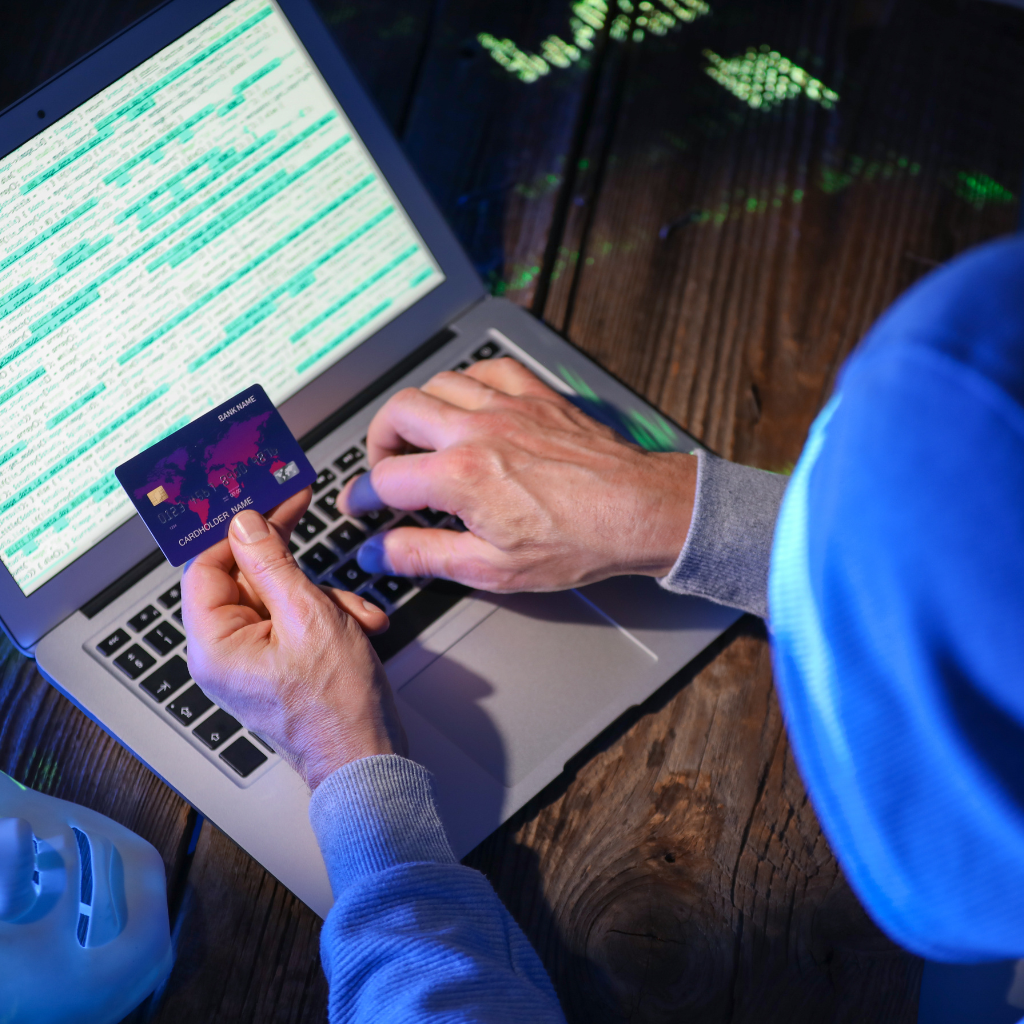
Throughout this past decade, digital assets have experienced tremendous growth, resulting in a dramatic increase in their popularity and potential as investment opportunities. As the number of individuals searching for questions about Bitcoin (such as “What is Bitcoin?”, “How can I purchase Bitcoin?”, “What is the safest way to acquire Bitcoin?”, “What is Bitcoin comprised of?”, etc.) increases, so has the amount of scams being perpetrated against these individuals.
Scammers have become increasingly aggressive by using a variety of schemes designed to target both novice and experienced investors alike. The first step to protecting yourself against falling victim to these schemes is to educate yourself regarding the typical types of scams that exist, and to utilize the expertise of reputable members of the cybersecurity community to further protect your digital assets from these and other types of fraud.
Fake Trading Platforms.
Fake crypto exchanges are perhaps the most common type of scam currently being perpetrated against consumers. Scammers will build a fake website for a cryptocurrency exchange to entice consumers to deposit money or connect their wallets to the site. Many of these fake sites will copy the URL structure of a legitimate exchange, as well as have a similar layout and design to give the appearance of legitimacy. Once users have deposited funds into the fake exchange, they will later realize that their funds are gone and that no real exchange ever existed. To prevent yourself from becoming a victim of a fake exchange, you should verify that the exchange is properly licensed, see what types of payment methods are accepted, and, most importantly, verify the authenticity of the official domain for the exchange before you use it.
Phishing Schemes
Scammers used phishing schemes as an effective way to commit fraud on people using cryptocurrency. Scammers typically send an email or other forms of communication to victims and include links within those communications that will direct victims to imitation websites that are very similar to the original. This allows them to fool victims into giving up their secret information (ie, Wallet passcodes or Private Keys) for inclusion in their wallets and subsequently to quickly siphon off funds from those wallets.
Unlike traditional phishing schemes, where credit card fraud is the typical outcome of the scam, phishing schemes involving cryptocurrencies are used to scam users for their wallet credentials, which can lead to far more serious consequences than simply losing their credit card details. If you suspect that you’ve fallen victim to a phishing scheme and have shared private keys with a scammer, contact a Cybersecurity Professional to receive the appropriate assistance and guidance.
Celebrity Endorsement Frauds
These people take advantage of the star power of famous personalities. Illusive advertisements say that the CEOs or star businesspeople are staking their names for some cryptocurrency or some trading platform. Slick ad campaigns, fake interviews, and glossy brochures are used to build a bridge of trust. However, these endorsements are entirely fake, so perhaps the projects they ask you to invest in are scam projects. The investors should always independently verify and never rely on supposed endorsements.
Fake Mobile Applications
Another rising threat includes malicious mobile apps masquerading as trading platforms or wallets. Though they get removed quickly from app stores, they are often capable of inflicting severe financial harm until detection. Once the app gets in, it tricks users into depositing funds that get stolen. Thus, investors ought to download applications only from an official company website or verified publishers within the trusted app stores. Cyber experts recommend reaching out to cyber support services to ascertain a trading app’s authenticity prior to installation.
Protecting Yourself from Crypto Scams
As there are numerous scams in the trading of cryptocurrency, one could have avoided them in most instances with a little vigilance. Confirm whether the platforms are genuinely there by checking if they truly have regulatory registrations to ensure that their claims are valid. Independent reviews are an excellent check, along with other factors such as searching for the URL. A safety net is an unsolicited offer, especially if it guarantees high growth or offers no risk.
Recover Your Money with Brokers Reviewer
If you have lost money while trading, don’t lose hope. At Brokers Reviewer, we specialize in helping traders recognize scam brokers, report fraudulent activities, and explore potential recovery options.
Our platform provides:
- Independent broker reviews for safer investments
- Insights into identifying scam brokers before you deposit
- Guidance on recovery options if you’ve already been scammed
Trading should be safe, transparent, and profitable — not stressful. That’s why we are here to help you make informed decisions. Visit Brokers Reviewer today and protect your investments from online trading fraud.
If you believe you’ve been affected by online scam, feel free to contact us or report a scam through our platform to help others stay informed.
Stay informed. Read broker reviews, compare platforms, and always verify licensing details. For more insights, visit BrokersReviewer.com.
For more updates, follow us on:
Leave a Reply